



Somalia’s Next Chapter.

A Resilient and Opportunity-driven Nation
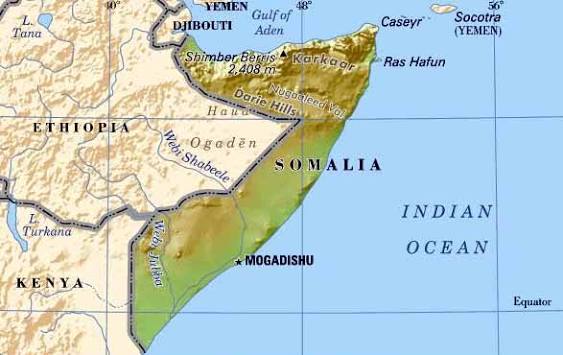
Somali has been a country of conflict, resilience and hope for decades. Today, the country proves itself remarkably resilient and resilient in the face of years of turmoil, security threats, climate crises and economic pressures. Today Somalia is in a chapter of its life, defined by not only the problems it was faced with, but also the opportunities but also the opportunities it is in need of for tomorrow.
One election, one government and one international agreement will not decide the future of Somalia. Rather, it will rely on the country’s capacity to build institutions, enhance security, unleash economic opportunities and invest in people.
Politics: Creating More Robust Institutions
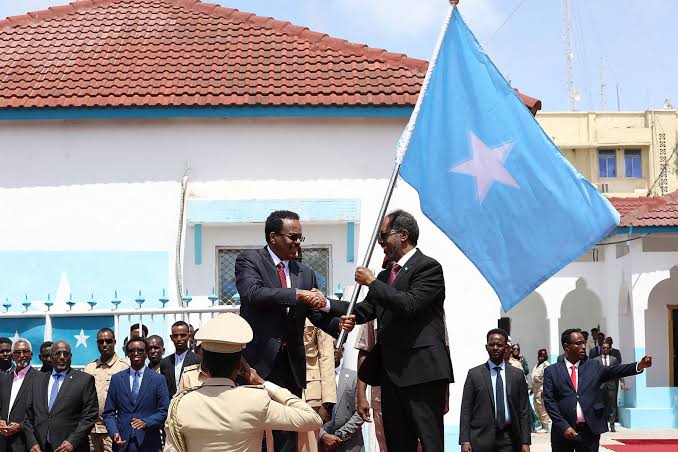
One of Somalia’s top priorities is political stability. Although a lot has been accomplished over the last decade in setting up state institutions, governance is still beset with a lot of challenges including political differences, constitutional issues, and the Federal Government-Federal Member States dynamic. Dialogue, transparency and institutions that are equal to all citizens are needed for a durable political settlement. Good governance is a crucial part of maintaining order and providing the attraction for investment and public confidence.
Economic Opportunities: Beyond Unexploited Natural Resources
Somalia has considerable economic opportunities. Its extensive coastline, key position along global shipping routes, entrepreneurial population, livestock sector, fisheries, agriculture, and growing digital economy create a solid basis for future growth. Throughout the country, Somali entrepreneurs are finding ways to innovate even with limited infrastructure and financial challenges. Giving people better access to finance, improving transport systems, supporting small businesses, and promoting responsible investment could speed up economic change. The young population is one of Somalia’s biggest advantages. If they receive quality education, vocational training, and job opportunities, Somalia’s youth can drive sustainable development.
Climate Change: A Major Issue for Somalia
Climate change has emerged as one of the main problems facing Somalia. Frequent droughts, floods, and environmental degradation have been impacting millions of people, causing disruptions in agriculture and livestock farming. To become resilient to climate change, investments will need to be made in water resources management, sustainable agriculture, disaster readiness, and renewable energy generation. Climate policy needs to be understood as an environmental policy but also as the foundation of economic and national security policy.
Security: From Stability to Enduring Peace.
Security is key to Somalia’s development. Even though national security forces have improved their abilities, armed groups still pose significant threats in various regions. Long-term security cannot depend only on military actions. It also needs effective policing, working courts, community involvement, economic opportunities, and public trust. A stable Somalia will need an approach that brings together security, justice, and development.
Education and Human Development
No country can prosper without educating its population. Education is the key to building a better future for Somalia by expanding educational opportunities, developing universities, advancing technical education, and promoting research and innovation.
An educated population means stronger institutions, efficient enterprises, and a more educated society that is capable of solving the country’s challenges.
Somalia in the Modern World
The region of the Horn of Africa is gaining geopolitical significance in the world. Cooperation within the region, international trade, and infrastructure development are changing the strategic situation in the area. This means that Somalia is both offered opportunities and challenged to take responsibility for its strategic position through diplomacy and cooperation.